
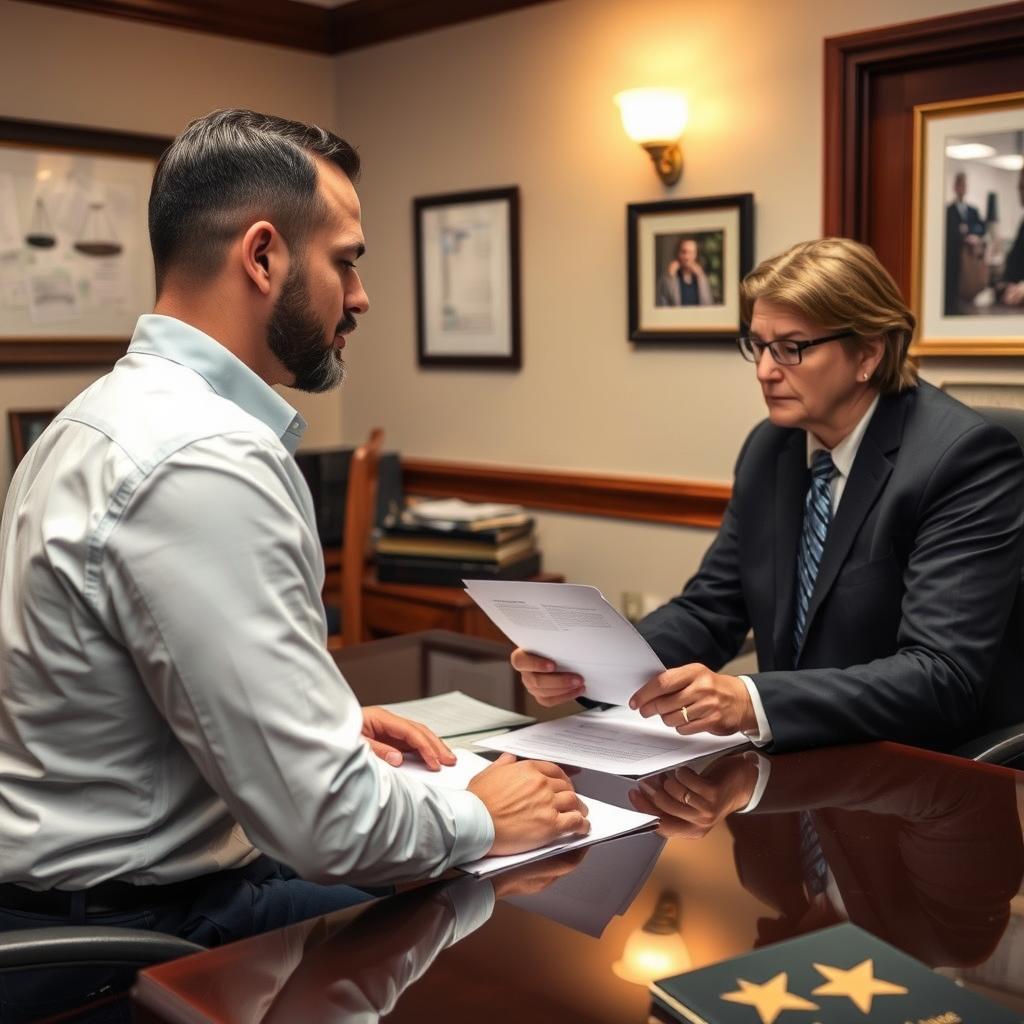
Fairfax Divorce Lawyer
When a marriage ends, the legal process that follows requires careful attention to detail, a thorough understanding of Virginia family law, and a steady focus on protecting what matters most—your children, your assets, and your future. In Fairfax County, divorcing spouses appear before the Fairfax County Circuit Court, which handles all divorce proceedings in the jurisdiction. Having experienced legal guidance through that process is essential. Mr. Sris and his Of Counsel at Law Offices Of SRIS, P.C. represent clients in Fairfax divorce matters, and they bring extensive combined legal experience to each representation. They work to navigate the statutory requirements, financial disclosures, and custody considerations that arise in any Fairfax divorce case. To request a consultation, reach Law Offices Of SRIS, P.C. at (888) 437-7747. Law Offices Of SRIS, P.C. – Advocacy Without Borders.
What Divorce Means in Fairfax, Virginia
Fairfax County, the most populous county in Virginia, has a diverse population and a family law docket that reflects that diversity. Divorce cases here are heard by the Fairfax County Circuit Court, which sits at 4110 Chain Bridge Road in Fairfax. Virginia law provides both fault-based and no-fault grounds for divorce. The no-fault ground—the most commonly used—requires that spouses have lived separate and apart without cohabitation for at least one year, or for six months if the spouses have entered into a separation agreement and there are no minor children (Va. Code § 20-91(A)(9)). Fault-based grounds include adultery, cruelty, desertion, and conviction of a felony. A divorce filed in Fairfax County follows the same pleading and procedural rules that apply statewide, but local court practices and the specific judge assigned can influence pacing and settlement dynamics.
Because Virginia is an equitable distribution state, the court divides marital property fairly—though not necessarily equally—after considering factors enumerated in Va. Code § 20-107.3. Spousal support may be awarded based on need and ability to pay, and child custody and visitation are determined under the “best interests of the child” standard in Va. Code § 20-124.3. Understanding how the Fairfax County Circuit Court approaches these issues is a central part of effective divorce representation. Mr. Sris and his Of Counsel are familiar with the local court procedures and work to protect clients’ interests throughout the litigation or negotiation process.
How Mr. Sris and His Of Counsel Handle Divorce Cases
Every divorce begins with a Complaint filed in the circuit court. In an uncontested divorce—where both spouses agree on all terms—Mr. Sris and his Of Counsel can prepare and file the necessary pleadings, draft the separation agreement, and guide the case through the court’s uncontested docket. In a contested divorce, the process becomes more involved: discovery is exchanged, custody and property valuations may be disputed, and temporary relief hearings may address spousal support or custody pendente lite. Mr. Sris and his Of Counsel work to resolve as many issues as possible through negotiation or mediation, but they prepare each case for trial when litigation becomes necessary.
Throughout the matter, Mr. Sris and his Of Counsel handle the procedural aspects—filing pleadings, serving the other party, responding to motions—so that clients are not left to manage court deadlines on their own. They also work with clients to gather financial records, identify separate and marital property, and prepare for pendente lite hearings or depositions. The firm’s approach is practical: they help clients understand the realistic range of outcomes and work toward resolution while keeping the costs and emotional toll of litigation in mind. Because every case is different, the timeline and strategy are tailored to the individual circumstances of the marriage, the financial landscape, and the needs of any children.
About Mr. Sris and His Of Counsel Team
Mr. Sris is the Owner and Founder of Law Offices Of SRIS, P.C. He practices across Virginia, Maryland, the District of Columbia, New Jersey, and New York, and has represented clients in family law matters since the firm’s founding in 1997. As a former prosecutor, he brings trial experience to divorce litigation. He testified before the Virginia House Courts of Justice Committee in support of 2019 HB 635 (chief patron Del. David Bulova). Mr. Sris and his Of Counsel bring extensive combined legal experience. Results may vary.
The firm’s Of Counsel attorneys are experienced practitioners in family law and civil litigation. They work closely with Mr. Sris on each matter, contributing their own courtroom experience and knowledge of Virginia family law. The team is supported by professionals who assist with case management, document preparation, and client communications, but the legal analysis and strategy are directed by the attorneys Of Counsel to the firm. To discuss your Fairfax divorce with Mr. Sris and his Of Counsel, call (888) 437-7747.
Frequently Asked Questions
What are the grounds for divorce in Fairfax, Virginia?
Virginia allows divorce on both fault and no-fault grounds, including separation for one year—or six months with a separation agreement and no minor children—as well as adultery, cruelty, and desertion. Most divorces in Fairfax County proceed on the no-fault ground because it avoids the need to prove wrongdoing. The specific statutory ground selected can affect property division and spousal support, so it is important to evaluate the circumstances with an attorney. Mr. Sris and his Of Counsel can help you assess which ground best fits your situation.
Do I need a lawyer for a divorce in Fairfax County?
While you are not legally required to hire a lawyer, having an attorney can help ensure that your rights regarding property, support, and custody are protected, and that the required court documents are properly prepared. Divorce involves significant legal and financial consequences, and mistakes in pleadings or separation agreements can be difficult—and expensive—to correct later. Mr. Sris and his Of Counsel can represent you from the initial filing through final decree, handling the procedural requirements while you focus on your personal and family needs.
How is property divided in a Fairfax divorce?
Virginia follows equitable distribution, which means marital property is divided in a manner the court considers fair after weighing statutory factors such as each spouse’s contributions and the duration of the marriage. The court first classifies assets as marital or separate; separate property generally remains with the owner. The division is not automatically 50/50. Mr. Sris and his Of Counsel work to present a complete picture of the marital estate and to advocate for an equitable distribution that reflects your contributions and needs.
How long does a divorce take in Fairfax County?
The timeline varies depending on whether the divorce is contested and on the court’s docket. An uncontested no-fault divorce can be finalized after the statutory separation period has been met and all paperwork is in order, while a contested case may take many months—or longer—if discovery, pendente lite hearings, and a trial are required. Mr. Sris and his Of Counsel can give you a better estimate once they understand the specific issues in your case.
What is the difference between a contested and an uncontested divorce in Fairfax?
An uncontested divorce means both spouses agree on all issues—grounds, property division, support, and custody—and the case can be submitted for the judge’s signature without a trial. A contested divorce involves at least one unresolved dispute. In Fairfax County, contested cases proceed through discovery, motions, and possibly a trial. Mr. Sris and his Of Counsel handle both types, but their approach is to resolve differences through negotiation whenever possible to minimize time and expense.
Can I get spousal support in a Fairfax divorce?
Spousal support may be awarded if one spouse demonstrates a need and the other has the ability to pay, considering factors set out in Virginia law. The amount and duration are determined by the court unless the parties reach their own agreement. Support can be temporary (pendente lite) or permanent, and it can be modified in certain circumstances. Mr. Sris and his Of Counsel can help you pursue or defend against a spousal support claim based on your financial circumstances.
For guidance on your specific situation, reach Law Offices Of SRIS, P.C. at (888) 437-7747.
Virginia family law resources:
Virginia Code Title 20 (Domestic Relations) |
Fairfax County Circuit Court |
Virginia’s Judicial System
Attorney advertising. Prior results do not guarantee a similar outcome.
Case results depend on a variety of factors unique to each case.