
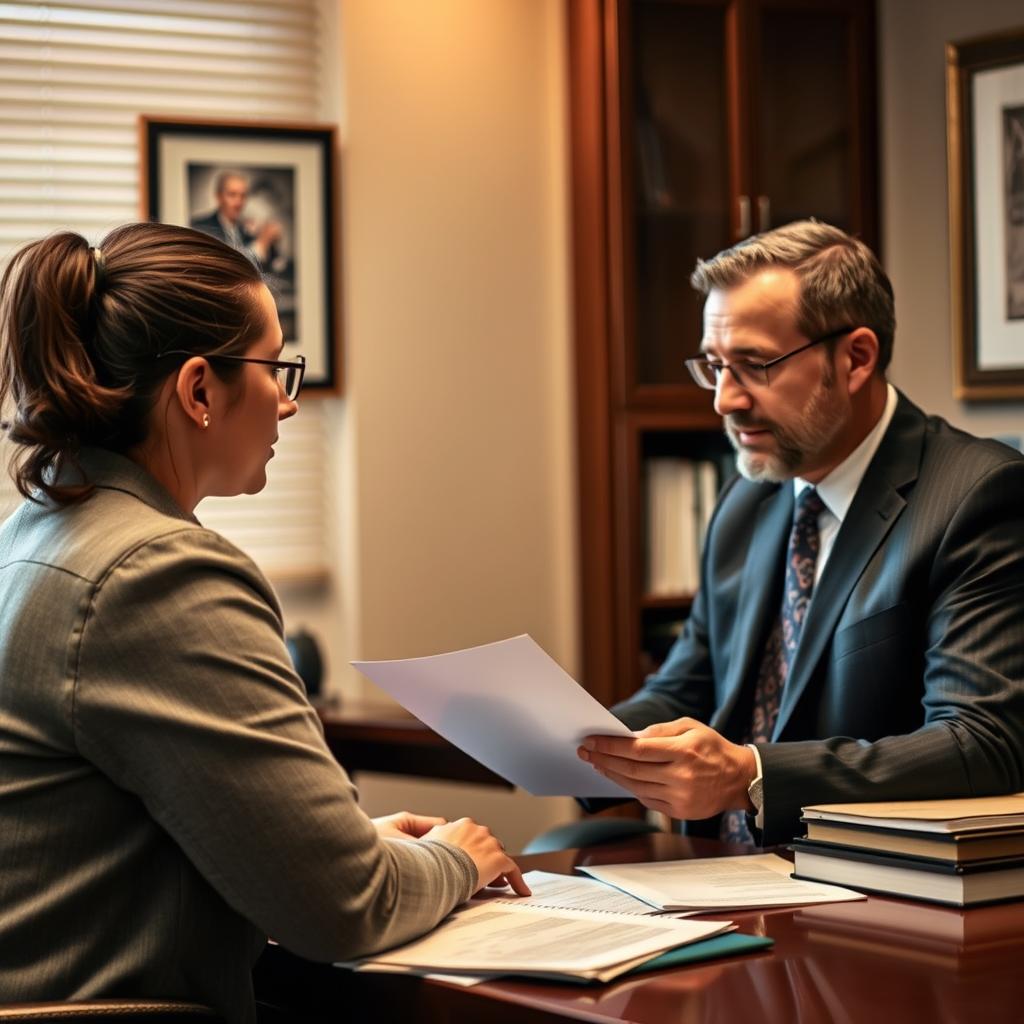
What happens at a criminal arraignment in Bronx
A criminal arraignment in Bronx, New York, is the first formal court appearance after an arrest. At this hearing, the defendant is informed of the charges, advised of certain rights, and given the opportunity to enter a plea. The specific procedures follow New York Criminal Procedure Law and are handled at the Bronx Criminal Court for misdemeanors or the Bronx County Supreme Court for felony matters. Understanding the arraignment process can reduce uncertainty, but having an attorney present is critical because decisions made at this stage—such as bail arguments or plea entries—can shape the entire case. To discuss an upcoming arraignment and how the firm may help, reach Law Offices Of SRIS, P.C. at (888) 437-7747. Law Offices Of SRIS, P.C. – Advocacy Without Borders.
What the arraignment involves for a defendant in Bronx County
The arraignment serves several distinct purposes under New York law. When a person appears before the judge, the court first verifies the defendant’s identity. The charges stated in the criminal complaint or felony complaint are then read aloud, and the defendant is formally notified. At that point, the judge will address several matters: the right to counsel, whether the defendant qualifies for assigned counsel, the entry of a plea, and, critically, the question of bail or release conditions.
New York’s 2020 bail reform substantially changed how these hearings operate. For most misdemeanors and non-violent felonies, cash bail has been eliminated. In many cases, the defendant is released on recognizance or with minimal conditions. Desk appearance tickets (DATs) are often issued for low-level offenses instead of a full arrest-and-arraignment process. However, bail may still be set for qualifying violent felonies and certain offenses. Experienced defense counsel can present arguments for release, including ties to the community, employment, and lack of flight risk, which the court must consider.
Entering a plea is the next major event. The defendant may plead guilty, not guilty, or, in some instances, no contest. A not-guilty plea is typical at arraignment because it preserves the right to challenge evidence and negotiate later. If the defendant pleads guilty at this early stage, the court must ensure the plea is voluntary and that the defendant understands the rights being waived. Because of the long-term consequences—a criminal record, possible incarceration, fines, and immigration effects—it is rarely recommended to plead guilty at arraignment without consulting an attorney.
Frequently Asked Questions
Can I be released without bail at a Bronx arraignment?
Yes, under New York’s 2020 bail reform, most defendants charged with misdemeanors and non‑violent felonies are released on their own recognizance without cash bail. The court may impose non‑monetary conditions such as supervised release, travel restrictions, or an order of protection. Some violent felony charges still qualify for bail, and the judge can set an amount after considering factors like the nature of the offense and the defendant’s ties to the community. An attorney can present arguments and evidence supporting release. If bail is set, the defendant or a family member may post it directly or through a bondsman.
What happens if I plead not guilty at the arraignment?
By pleading not guilty, you preserve all legal defenses and the right to a trial. The case will then proceed to a pretrial conference or discovery phase. Your attorney can review the prosecution’s evidence, file motions, and negotiate with the assistant district attorney. For misdemeanors in Bronx Criminal Court, a trial date may be set within 30 to 90 days. For felonies in Supreme Court, the process is longer because a grand jury indictment is required after the arraignment unless waived. A not-guilty plea keeps all options open and is the normal initial step.
What should I bring to a criminal arraignment in the Bronx?
Bring a government‑issued photo ID, any paperwork you received upon arrest (such as the desk appearance ticket or bail receipt), and contact information for your attorney. If you have documents that might support a release argument—proof of employment, a lease, character letters—give copies to your lawyer. Do not bring weapons, contraband, or recording devices; courthouse security screens everyone. Leave your phone in the car or follow the court’s electronic‑device policy. Dress neatly and conservatively, as appearance can influence the judge’s perception at bail arguments.
Do I need a lawyer for a Bronx arraignment?
While you are not legally required to have a lawyer at arraignment, appearing without one is strongly discouraged. The arraignment is where bail is argued, charges are announced, and a plea is entered—all decisions that affect the rest of your case. A lawyer can argue for release, advise you on the plea, and spot procedural errors in the complaint that could lead to dismissal. If you cannot afford an attorney, the court may assign one from the Legal Aid Society or an 18‑b panel, but you will not have the same opportunity to choose counsel or consult beforehand. To discuss representation for an upcoming arraignment, call (888) 437-7747.
How long does a Bronx arraignment take?
The length of a Bronx arraignment varies, but most hearings last only a few minutes unless factual issues or bail arguments are contested. The time from arrest to arraignment is governed by CPL § 140.20: a defendant must be brought before a judge without unnecessary delay, usually within 24 hours. The court appearance itself is brief—the judge reads the charges, handles bail, and takes a plea. However, waiting for the case to be called can take several hours, especially in a busy courthouse like Bronx Criminal Court. Your attorney can often expedite matters by confirming readiness.
What are the possible pleas at a Bronx arraignment?
At arraignment, you may plead guilty, not guilty, or, in some courts, no contest. A guilty plea leads directly to sentencing, which may occur immediately or be adjourned for a later date. A not-guilty plea moves the case forward into pretrial proceedings. A no‑contest plea (nolo contendere) is similar to a guilty plea for sentencing purposes but cannot be used as an admission in a civil lawsuit. Your attorney will advise which plea best fits your situation; in most cases, a not‑guilty plea is entered to allow for investigation and negotiation.
Can charges be dismissed at an arraignment in the Bronx?
In limited circumstances, a judge may dismiss a case at arraignment if the complaint is legally insufficient. The criminal complaint must contain facts that establish every element of the charged offense and show reasonable cause to believe the defendant committed it. If the complaint is defective—for example, it fails to allege a required element or relies on hearsay alone in a jurisdiction where that is not permitted—defense counsel may move for dismissal. This is not common, but an experienced attorney reviews the complaint carefully for such flaws. Most dismissals occur later, through motion practice or negotiations.
What if I cannot afford a lawyer for my Bronx arraignment?
If you cannot afford a private attorney, the court will assign counsel at the arraignment once it determines you are financially eligible. In the Bronx, the Legal Aid Society, Bronx Defenders, or an 18‑b panel attorney may be appointed. You will be asked to complete a financial affidavit. While this ensures representation, assigned counsel may carry heavy caseloads and meet you only moments before the hearing. For a more personalized approach, you may want to explore retaining private counsel; phone consultations are available through Law Offices Of SRIS, P.C. at (888) 437-7747.
Will I go to jail after a Bronx arraignment?
Whether you are held in jail after arraignment depends on the charge, your criminal history, and the bail or release determination made at the hearing. Under New York’s current bail laws, most individuals charged with misdemeanors and non‑violent felonies are released. If the charge is a violent felony or you have prior failures to appear, the judge may set bail or remand you. Your attorney can argue for release on recognizance, supervised release, or lower bail. If remanded, you will be transported to Rikers Island or another facility until the next court date.
How does a Bronx arraignment differ from one in Manhattan or Queens?
While New York State law governs arraignments uniformly, local court customs, case volume, and assistant district attorney practices can differ slightly across boroughs. The Bronx Criminal Court at 215 East 161st Street handles a high volume of cases, and its judges may have specific expectations about paperwork and scheduling. Filing procedures, Discovery Reform compliance timelines, and the availability of diversion programs can vary. An attorney familiar with Bronx County practice will understand these nuances, which can make a practical difference in bail arguments and early case strategy.
About Mr. Sris and the firm’s Of Counsel attorneys
Mr. Sris, Owner and Founder of Law Offices Of SRIS, P.C., has practiced criminal defense since 1997. A former prosecutor, he brings firsthand insight into how the other side builds cases. He is admitted in New York, Virginia, Maryland, the District of Columbia, and New Jersey, and has testified before the Virginia House Courts of Justice Committee in support of 2019 HB 635. Mr. Sris and the firm’s Of Counsel attorneys appear in Bronx County courts and across the state, working to protect clients’ rights from arraignment through trial. The firm’s extensive combined legal experience between Mr. Sris and his Of Counsel is grounded in a multi‑state understanding of criminal procedure.
For an arraignment in the Bronx, contact Law Offices Of SRIS, P.C. at (888) 437-7747 to request a consultation. Every case is different, and early intervention can influence the direction of the matter.
Manhattan Criminal Defense |
Brooklyn Criminal Defense |
Queens Criminal Defense |
Staten Island Criminal Defense |
Long Island Criminal Defense
Attorney advertising. Prior results do not guarantee a similar outcome. Case results depend on a variety of factors unique to each case. Results may vary.