
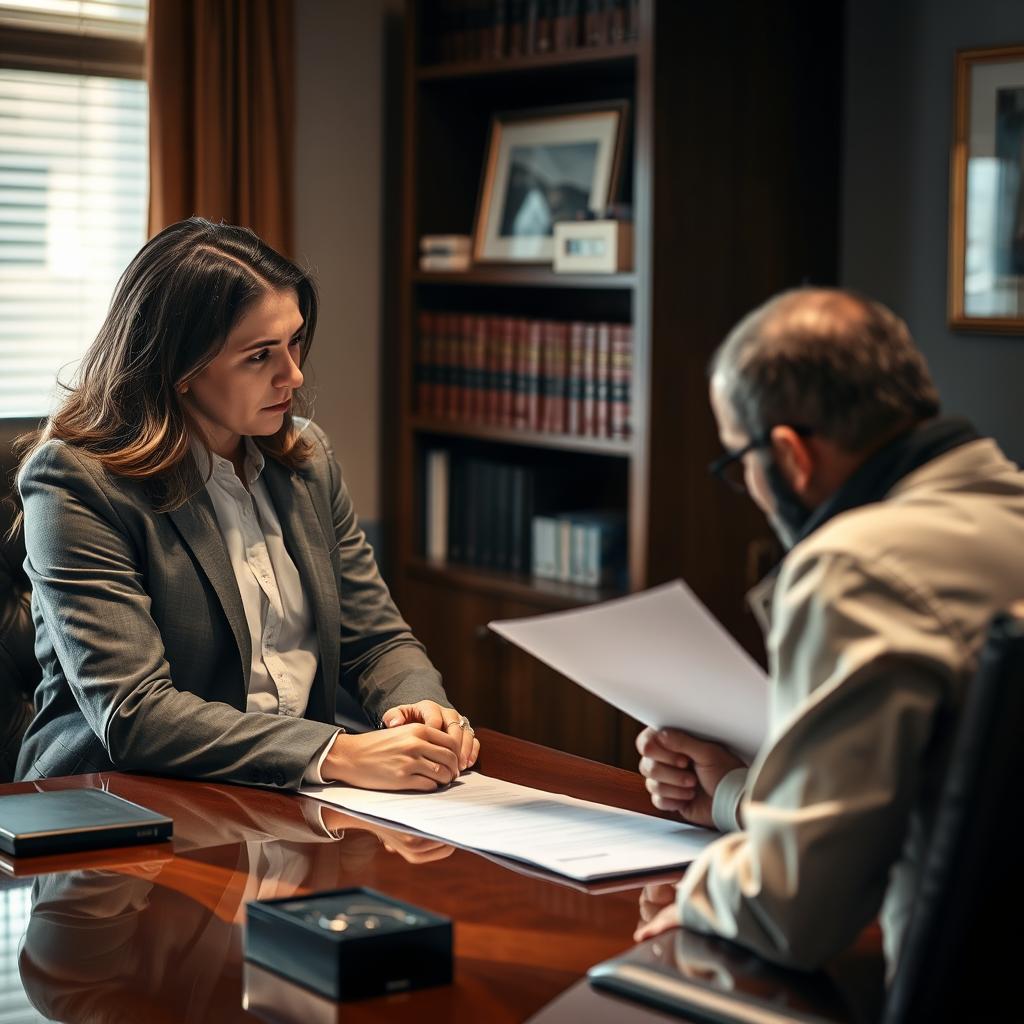
Graffiti Defense Lawyer Near Me
If you or someone you know is facing a graffiti-related charge and you are searching for a graffiti defense lawyer near you, Law Offices Of SRIS, P.C. may be able to help. We concentrate our criminal defense practice on representing individuals accused of graffiti, vandalism, criminal mischief, and related property-damage offenses. Mr. Sris, the Owner and Founder of the firm, is a former prosecutor who understands how the other side builds its case. He and his Of Counsel team bring extensive combined legal experience to every matter. We serve clients across multiple jurisdictions, including Virginia, Maryland, the District of Columbia, New Jersey, and New York. Whether you were arrested after an alleged tagging incident, charged with possession of graffiti instruments, or are facing felony destruction-of-property allegations, our attorneys work to protect your rights and pursue a favorable resolution. Graffiti charges can carry significant consequences — jail time, fines, a permanent criminal record, and even immigration repercussions for non-citizens. Early legal intervention is important. To discuss your situation, reach Law Offices Of SRIS, P.C. at (888) 437-7747 for a consultation. Law Offices Of SRIS, P.C. – Advocacy Without Borders.
What Graffiti Defense Means in the Jurisdictions We Serve
Graffiti offenses are generally charged as property crimes, but the specific statute, classification, and potential penalties vary by state and locality. In Virginia, for example, intentionally damaging another’s property — including by graffiti — can be charged under Va. Code § 18.2-137 as destruction of property. Where the damage is valued under $1,000, the charge is a Class 1 misdemeanor; $1,000 or more may result in a Class 6 felony charge. In New York, making graffiti is often prosecuted under Penal Law § 145.60 (making graffiti) or § 145.65 (possession of graffiti instruments), both class A misdemeanors, though felony charges can apply when the damage exceeds a certain monetary threshold. Maryland’s malicious destruction of property statute similarly criminalizes defacing or damaging property. In New Jersey, graffiti is typically charged as criminal mischief, with grading that depends on the amount of loss and whether the property was a place of burial, research facility, or other protected category. The District of Columbia prosecutes destruction of property under D.C. Code § 22-303, including graffiti-related damage.
Because each jurisdiction has its own definitions, evidentiary requirements, and sentencing possibilities, having counsel who is familiar with the specific courthouse and prosecutors can be essential. Mr. Sris and his Of Counsel appear in General District Courts, Circuit Courts, and Superior Courts across these states. They evaluate each case for procedural issues — such as whether law enforcement had sufficient probable cause to make an arrest, whether the identification of the alleged tagger is reliable, and whether the property owner’s valuation of the damage is properly documented. A defense strategy may focus on challenging the evidence, seeking a reduction of the charge, or negotiating an alternative disposition that avoids a conviction and its collateral consequences.
How Mr. Sris and His Of Counsel Handle Graffiti Defense Cases
When you engage Law Offices Of SRIS, P.C. for a graffiti-related charge, the defense process begins with a thorough assessment of the police reports, witness statements, photographs, and any experienced attorney analyses that the prosecution intends to use. Mr. Sris and his Of Counsel team examine the chain of custody for physical evidence — spray cans, markers, stencils, or other alleged graffiti instruments — and review whether the seizure of those items complied with constitutional requirements. If the evidence was obtained through an unlawful search or interrogation, a motion to suppress may be filed.
In many graffiti cases, the key factual dispute is identity. Graffiti is often done anonymously, and the prosecution’s case may rely on circumstantial evidence, such as a defendant’s proximity to the scene, possession of tools, or social media posts. Our attorneys challenge weak identification evidence and work to ensure that any expert testimony — for instance, handwriting analysis or paint composition matching — is properly scrutinized under the relevant evidentiary standards. In jurisdictions where diversion or first-offender programs are available for qualifying defendants, we explore those options, which may allow the charge to be dismissed upon completion of community service, restitution, or educational conditions. Results may vary.
About Mr. Sris and His Of Counsel Team
Mr. Sris, Owner and Founder of Law Offices Of SRIS, P.C., has practiced criminal defense since 1997. A former prosecutor, he brings firsthand insight into how charges are assembled and prosecuted. He is admitted to practice in Virginia, Maryland, the District of Columbia, New Jersey, and New York, and he concentrates his practice on complex criminal defense matters. Mr. Sris testified before the Virginia House Courts of Justice Committee in support of 2019 HB 635 (chief patron Del. David Bulova). His Of Counsel team includes attorneys with prior service in law enforcement and prosecution, giving the firm a multi-perspective understanding of criminal cases. Together, Mr. Sris and his Of Counsel bring extensive combined legal experience to graffiti defense and other criminal matters. Results may vary.
Frequently Asked Questions
What is the legal definition of graffiti?
Graffiti is generally defined as the act of marking, writing, painting, or otherwise defacing someone else’s property without permission. In criminal law, graffiti is often charged as destruction of property, criminal mischief, or making graffiti, depending on the jurisdiction. The specific elements of the offense vary by state: some statutes require that the mark be made with paint, ink, chalk, or a similar substance; others encompass any type of permanent or semi-permanent mark. In New York, the law distinguishes between making graffiti, possessing graffiti instruments, and causing damage above a specified monetary amount. A conviction can lead to jail time, fines, restitution to the property owner, and a criminal record. An experienced attorney can evaluate whether the alleged act fits the statutory definition and whether the state can prove each element beyond a reasonable doubt.
Do I need a lawyer for a graffiti charge?
Yes, retaining an attorney as early as possible is advisable, even for a misdemeanor graffiti offense. A conviction can create a permanent criminal record, affect employment and professional licensing, and potentially trigger immigration consequences for non-citizens. A lawyer can assess the strength of the government’s evidence, identify procedural defects, negotiate with the prosecutor, and, where appropriate, seek a reduction or dismissal of the charge. Proceeding without representation risks missing dispositive issues or accepting a plea that carries unintended collateral consequences. Mr. Sris and his Of Counsel team handle graffiti cases throughout Virginia, Maryland, the District of Columbia, New Jersey, and New York, and offer consultations to discuss the specifics of your situation.
What are the possible penalties for a graffiti conviction?
Penalties depend on the jurisdiction and the classification of the offense. A misdemeanor graffiti charge can result in up to 12 months in jail and fines, while a felony conviction may lead to a state prison sentence. For example, in Virginia, destruction of property valued at less than $1,000 is a Class 1 misdemeanor carrying up to 12 months in jail and a $2,500 fine; $1,000 or more is a Class 6 felony punishable by one to five years in prison. In New York, making graffiti is a class A misdemeanor with a maximum sentence of 364 days in jail. Courts also frequently order restitution to the property owner for repair costs. Additional consequences can include a driver’s license suspension in some states, community service requirements, and a permanent criminal record that may restrict employment and housing. An attorney can explain the specific exposure you face based on the charge and jurisdiction.
Can graffiti charges be dropped or reduced?
Yes, graffiti charges can sometimes be dismissed or reduced, depending on the strength of the evidence and any procedural issues. If the police lacked probable cause for the arrest, if the identification is unreliable, or if the property owner’s valuation of the damage is overstated, a motion to dismiss or a reduction to a lesser offense may be appropriate. In some jurisdictions, first-time offenders may be eligible for diversion programs that, upon successful completion of community service and restitution, allow the charge to be dismissed. Mr. Sris and his Of Counsel evaluate each case for factual and legal weaknesses and work to achieve favorable outcomes based on the specific circumstances. Results may vary.
How do I find a graffiti defense lawyer near me?
Start by looking for a criminal defense attorney who handles property-crime cases in the jurisdiction where you were charged. A lawyer familiar with the local courts, prosecutors, and judges can provide practical insight into how graffiti cases are typically resolved in that area. When considering a lawyer, ask about their experience with graffiti or destruction-of-property charges specifically, their familiarity with local diversion programs, and their track record in the courthouse where your case will be heard. Law Offices Of SRIS, P.C. represents clients in Virginia, Maryland, the District of Columbia, New Jersey, and New York. To discuss your graffiti charge, reach Mr. Sris and his Of Counsel at (888) 437-7747 for a consultation.
What should I bring to a consultation about a graffiti charge?
Bring all documents related to your arrest and the charges, including the summons, complaint, police report (if you have it), any bail or bond paperwork, and your next court date. Also provide any photographs, videos, or witness information that may be relevant. Write down your recollection of the events experienced up to the arrest while it is fresh, including what was said to you by law enforcement. A complete and accurate account helps your attorney assess the case efficiently. During the consultation, Mr. Sris or his Of Counsel will review the materials, explain the potential strategies, and answer your questions about the process.
For further reading, consult the official Virginia criminal statutes at Virginia Code Title 18.2 and the Virginia Court System website.