
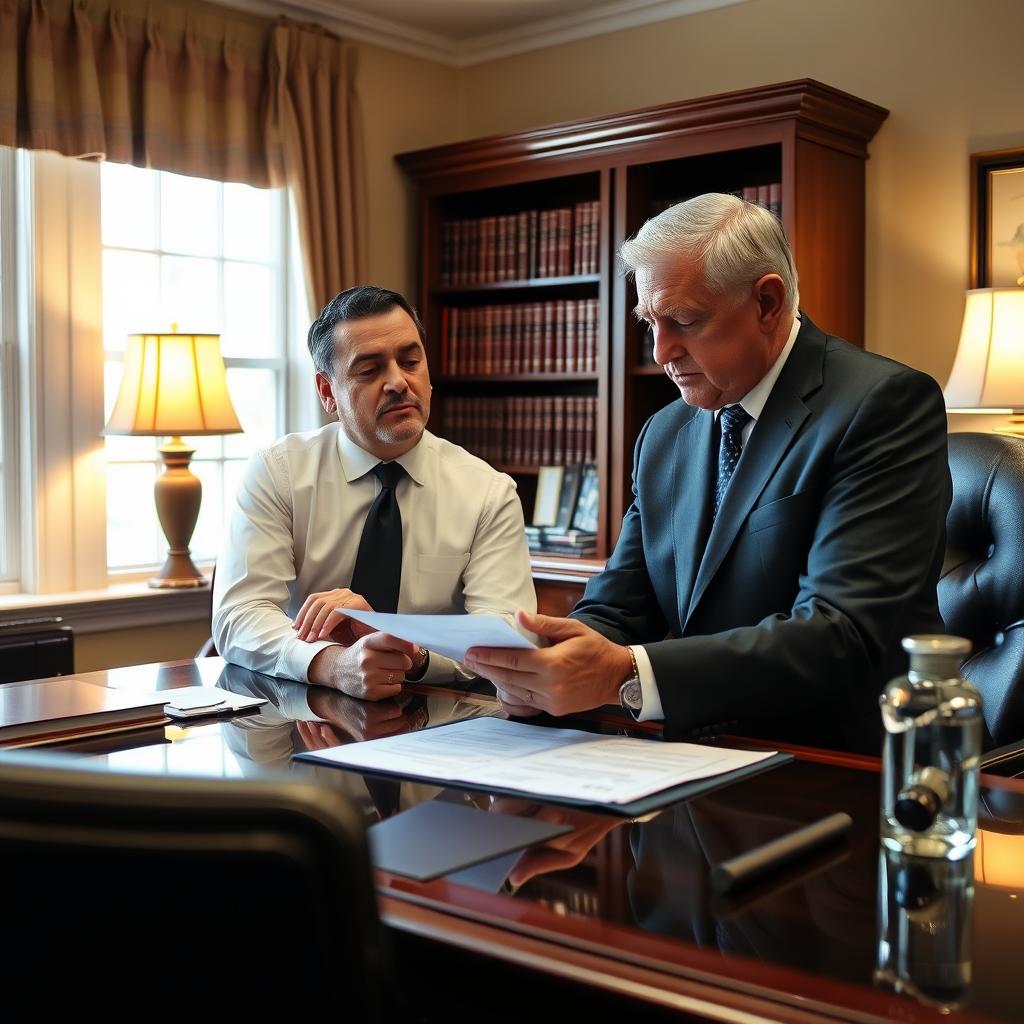
DWAI Lawyer Schoharie County, NY
Driving While Ability Impaired (DWAI) is a distinct charge under New York law, separate from the more commonly known DWI. If you were pulled over in Schoharie County—whether on Route 30 through Schoharie, near I-88 in Cobleskill, or in the Mohawk Valley—and now face a DWAI summons, Mr. Sris and his Of Counsel at Law Offices Of SRIS, P.C. represent drivers in the local courts. A DWAI proceeding can carry consequences for your license, your record, and your future, and the firm, practicing since 1997, handles these matters from the initial court appearance through resolution. Reach our New York location at (888) 437-7747 to request a consultation. Law Offices Of SRIS, P.C. — Advocacy Without Borders.
What DWAI Means in Schoharie County
Under New York law, a DWAI is codified at Vehicle and Traffic Law § 1192. The statute defines several imparied-driving offenses, including DWAI–Alcohol (violation) and DWAI–Drugs (misdemeanor). For most drivers, a first-offense alcohol-related DWAI is a non-criminal violation, while a DWAI involving a controlled substance is generally classified as a misdemeanor. Schoharie County courts—including the Schoharie County Supreme Court at 290 Main Street in Schoharie and local justice courts in communities such as Cobleskill, Middleburgh, and Sharon Springs—handle these cases. The county participates in the 3rd Judicial District.
A DWAI charge in Schoharie County means your license is subject to suspension, and you could face fines, a driver responsibility assessment, and other consequences determined by the court. Because a DWAI–Drugs charge is a criminal matter, you could also face probation or jail time. The procedural path typically includes an arraignment, potential hearings on the admissibility of chemical test results, and either a negotiated resolution or a trial. Mr. Sris and his Of Counsel team work through that process, aiming for the most favorable result the facts allow.
How Mr. Sris and His Of Counsel Handle DWAI Cases
The firm begins by reviewing the police report, any chemical test results, the video recording of the stop, and the conditions under which roadside tests were administered. Because a DWAI charge often relies on observations of impairment rather than a per se alcohol concentration threshold, the case can be technically complex. Mr. Sris and his Of Counsel evaluate whether the evidence supports the charge, whether any procedural requirements were met, and what defenses are available under New York law.
At subsequent court dates, our location represents clients in negotiations with the prosecutor and, when appropriate, at hearings. In Schoharie County, as elsewhere in New York, an Adjournment in Contemplation of Dismissal (ACD) may be available for certain first-offense DWAI matters, experienced to a dismissal after a period of compliance. Where the evidence is weak or a legal issue exists, the firm is prepared to challenge the charge. The timeline and specific approach depend on the facts of each case.
About Mr. Sris and His Of Counsel Team
Mr. Sris, Owner and Founder of Law Offices Of SRIS, P.C., is a former prosecutor who founded the firm in 1997. He is admitted to practice in Virginia, Maryland, the District of Columbia, New Jersey, and New York, and his background includes trial experience in criminal matters. Mr. Sris keeps his personal caseload limited so that each client matter receives attentive direction. His broader Of Counsel team consists of experienced attorneys with additional backgrounds that include former law enforcement and thorough knowledge of criminal procedure.
Together, Mr. Sris and his Of Counsel bring over 120 years of combined legal experience and 4,739+ documented firm-wide results to DWAI, DWI, and other criminal defense work. Results may vary. In any individual case. The firm handles DWAI matters throughout New York, including Schoharie County, from its New York location. Reach our location at (888) 437-7747 to schedule a consultation.
Frequently Asked Questions
What is a DWAI charge in New York?
A DWAI, or Driving While Ability Impaired, is a charge under New York Vehicle and Traffic Law § 1192 that operates below the legal .08% alcohol concentration threshold for DWI. An alcohol-related DWAI is a violation, not a crime, for a first offense. However, a DWAI involving drugs is often charged as a misdemeanor. The distinction matters for your driver’s license and criminal record, which is why consulting an attorney can help you understand the specific charge you face.
What are the penalties for a DWAI in Schoharie County?
The court can impose a range of penalties for a DWAI conviction, including fines, a license suspension, and possibly a jail term if the charge is a misdemeanor drug-related DWAI. The specific consequences depend on the charge level, the substance involved, and your driving record. A conviction may also trigger a mandatory driver responsibility assessment and increased insurance rates. Because the court has discretion, representation can affect the final outcome.
How does a DWAI differ from a DWI in New York?
A DWAI applies to drivers who are impaired by alcohol to any extent, while a DWI requires a blood alcohol content of .08% or more, or other specific evidence of intoxication. The DWAI is a lower-level offense, but still carries driver’s license and financial consequences. The legal standard for a DWAI is whether the driver’s ability to operate a motor vehicle was impaired, even slightly, by alcohol or drugs.
Can a DWAI result in a driver license suspension in New York?
Yes, a DWAI conviction can lead to a driver license suspension administered by the New York Department of Motor Vehicles. The length of suspension depends on whether you have prior offenses and the specifics of the charge. A DMV hearing may be available to contest the suspension. Because a suspension can affect your ability to work and manage daily responsibilities, it is important to understand the DMV process in parallel with the court case.
Do I need a lawyer for a DWAI in Schoharie County?
You are not required to have a lawyer for a DWAI charge, but because even a violation can result in license loss and a lasting driving record entry, representation can help you protect your interests. An attorney can review the evidence, identify procedural issues, and negotiate with the prosecutor for a reduction or dismissal. For a drug-related DWAI, which is a criminal offense, the stakes are higher and legal guidance is often critical.
Is there a way to have a DWAI charge dismissed in Schoharie County?
Yes, some first-offense DWAI charges may be resolved through an Adjournment in Contemplation of Dismissal (ACD), after which the charge is dismissed if you remain arrest-free for a set period. Eligibility for an ACD depends on the specific charge and the prosecutor’s position. Other defenses, such as challenging the stop or the testing procedures, may also result in a dismissal. An attorney can explain which options may apply in your situation.
Additional criminal defense resources: Manhattan Criminal Lawyer · Brooklyn Criminal Attorney · Queens Criminal Defense · Staten Island Criminal Lawyer · Nassau County Criminal Lawyer
New York impaired-driving statute and court resources: New York Vehicle and Traffic Law § 1192 · Schoharie County Supreme Court
Attorney advertising. Prior results do not guarantee a similar outcome. Case results depend on a variety of factors unique to each case. Results may vary.