
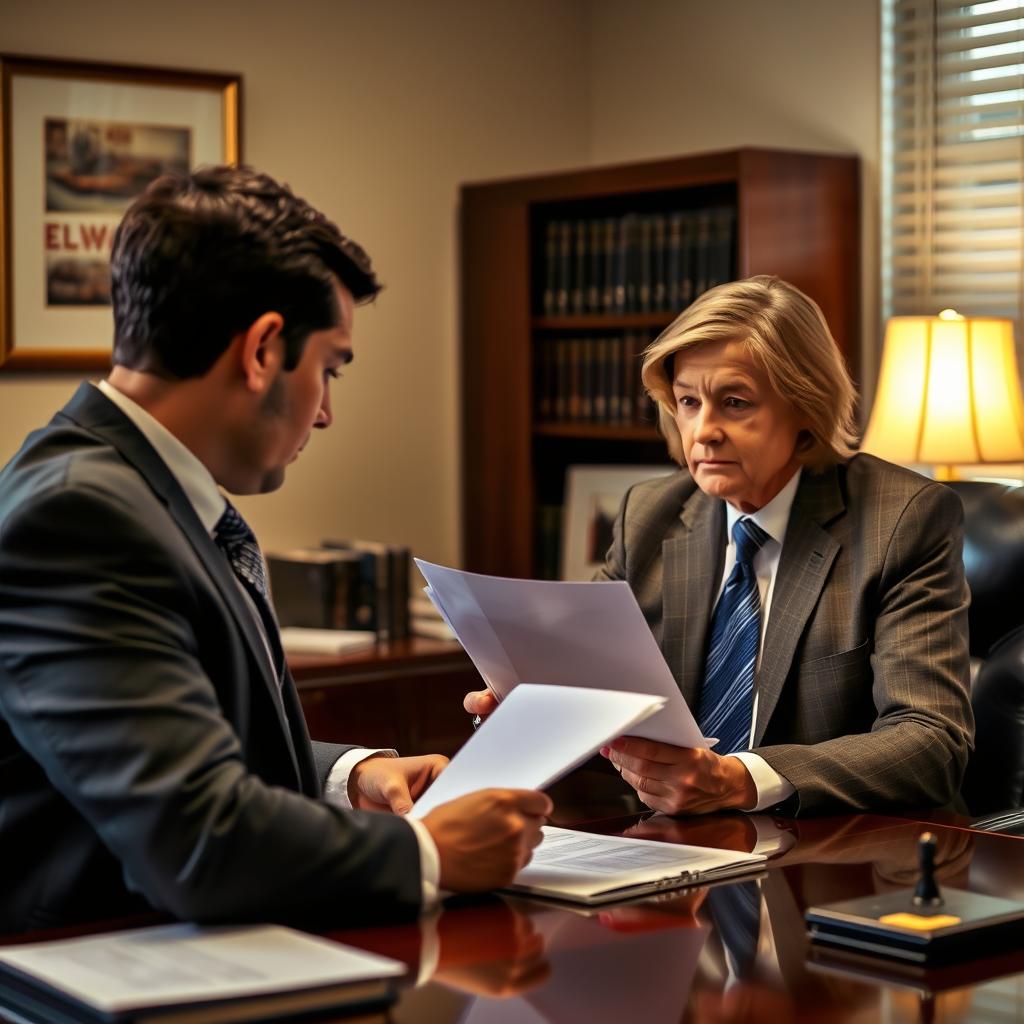
Theft Defense Lawyer Livingston County, NY
If you or someone close to you is facing a theft charge in Livingston County, New York, the stakes extend beyond the immediate court date. A conviction for petit larceny or grand larceny can carry jail time, a permanent criminal record, and consequences that affect employment, housing, and professional licensing. Law Offices Of SRIS, P.C. represents individuals charged with theft offenses in Livingston County courts, including the Livingston County Supreme Court at 2 Court Street in Geneseo. Mr. Sris, a former prosecutor and the firm’s Owner and Founder, has practiced criminal defense since 1997. He and his Of Counsel bring over 120 years of combined legal experience to theft defense matters across New York State. Results may vary. For a consultation about your case, reach Law Offices Of SRIS, P.C. at (888) 437-7747. Law Offices Of SRIS, P.C. – Advocacy Without Borders.
What Theft Defense Means in Livingston County
Livingston County sits in the Finger Lakes region of western New York, within the 7th Judicial District. Theft charges here are prosecuted under the New York Penal Law, which divides larceny offenses by the value of the property allegedly taken. Petit larceny—theft of property valued under $1,000—is a Class A misdemeanor carrying up to one year in jail. Grand larceny in the fourth degree, involving property valued between $1,000 and $3,000, is a Class E felony. Higher-value thefts escalate to Class D, C, or B felonies, with correspondingly longer potential sentences. The court that hears a theft case depends on the classification: misdemeanors are handled in the local criminal court, while felony charges proceed through the Livingston County Supreme Court Criminal Term.
Livingston County is a close-knit region encompassing communities such as Geneseo, Dansville, Mount Morris, Avon, Caledonia, Nunda, Lima, Livonia, Lakeville, and Conesus. A theft charge here can affect a person’s standing in the community, particularly in smaller towns where court proceedings and arrest records are more visible. New York’s 2020 bail reform eliminated cash bail for most misdemeanors and non-violent felonies, meaning many defendants are released on their own recognizance pending trial. For first-offense theft cases, an Adjournment in Contemplation of Dismissal (ACD) may be available—charges are adjourned for six to twelve months and automatically dismissed if no new arrests occur. Conditional sealing under CPL § 160.59 may also be available for qualifying convictions after ten years. Our firm serves clients throughout Livingston County, with a New York location at 50 Fountain Plaza, Suite 1400, Buffalo, NY 14202, by appointment.
How Mr. Sris and His Of Counsel Handle Theft Defense Cases
A theft charge in Livingston County typically begins with an arrest and arraignment, where the defendant is formally notified of the charges and enters a plea. From that point, the prosecution must provide discovery materials, and defense counsel reviews the evidence for procedural issues, factual weaknesses, and legal defenses. The timeline varies by case complexity and court scheduling, but pre-trial proceedings generally include motion practice and conferences with the prosecutor. Many theft cases resolve through negotiated dispositions rather than trial, though every case is prepared as if it will go to verdict.
Mr. Sris and his Of Counsel approach each theft case by examining the elements the prosecution must prove beyond a reasonable doubt: that the defendant took property, that the property belonged to another, and that the taking was with intent to permanently deprive the owner of it. Valuation disputes are common in theft prosecutions—the difference between petit larceny and grand larceny often turns on property value, which can be challenged through appraisal evidence and cross-examination. Our legal team also scrutinizes the legality of any search, the reliability of witness identifications, and the chain of custody for physical evidence. Where appropriate, we pursue diversionary dispositions such as an ACD or negotiate charge reductions that minimize collateral consequences for the defendant.
About Mr. Sris and His Of Counsel Team
Mr. Sris, Owner and Founder of Law Offices Of SRIS, P.C., is a former prosecutor who has practiced criminal defense since 1997. His experience on the prosecution side provides insight into how the state builds theft cases and where those cases may be vulnerable to challenge. Mr. Sris is admitted to practice in Virginia, Maryland, the District of Columbia, New Jersey, and New York. He testified before the Virginia House Courts of Justice Committee in support of 2019 HB 635 (chief patron Del. David Bulova). The firm’s Of Counsel attorneys contribute additional depth across criminal matters, each bringing substantial trial and negotiation experience without being employees of the firm—they are Of Counsel in the traditional sense, engaged on a per-matter basis while maintaining independent practices.
Mr. Sris and his Of Counsel have documented 4,739+ case results across all practice areas since 1997, with over 93% favorable outcomes. Results may vary.
Source: Firm case results database, verified 2026-02-15. Law Offices Of SRIS, P.C.
Reviewed by Mr. Sris, admitted in VA/MD/DC/NJ/NY.
Frequently Asked Questions
What are the penalties for theft in Livingston County, New York?
Penalties for theft in New York depend on the value of the property taken and the specific charge classification. Petit larceny (property under $1,000) is a Class A misdemeanor punishable by up to one year in jail. Grand larceny in the fourth degree ($1,000 to $3,000) is a Class E felony carrying a potential sentence of one to four years. Higher-value thefts escalate to Class D, C, or B felonies with correspondingly longer sentences. The court also has discretion to impose fines, restitution, and probation. For a first offense where the value is modest, diversion programs and charge reductions may be available to minimize long-term consequences.
Do I need a lawyer for a theft charge in Livingston County?
You are not legally required to have a lawyer for a theft charge, but experienced defense counsel can significantly affect the outcome. A theft conviction—even for petit larceny—creates a criminal record that can impact employment, housing applications, and professional licenses. An attorney can evaluate whether the prosecution’s evidence meets its burden, identify procedural defenses such as an unlawful search, and negotiate with the prosecutor for a reduced charge or diversionary disposition. Mr. Sris and his Of Counsel handle theft cases in Livingston County and can assess the specific facts of your situation. For a consultation, reach Law Offices Of SRIS, P.C. at (888) 437-7747.
How does a theft case proceed in Livingston County courts?
A theft case in Livingston County begins with an arrest and arraignment, followed by pretrial proceedings and either a negotiated resolution or trial. At arraignment, the defendant is informed of the charges and enters a plea. For misdemeanor theft, the case is heard in the local criminal court; felony theft proceeds through the Livingston County Supreme Court Criminal Term. The prosecution must provide discovery materials, and defense counsel may file motions challenging the evidence or seeking dismissal. Many cases resolve through plea negotiations before trial. The timeline varies by case complexity and the court’s calendar.
What are possible defenses to a theft charge in New York?
Common defenses include challenging property value, disputing intent to permanently deprive, raising claim of right, and contesting identification or search legality. Because the distinction between petit larceny and grand larceny hinges on value, an independent appraisal can sometimes reduce a felony to a misdemeanor. If the defendant believed in good faith that they had a right to the property, that may negate the intent element. Suppression of evidence obtained through an unlawful search may also weaken the prosecution’s case. Each defense depends on the specific facts and requires careful evaluation by experienced counsel.
Can a theft charge be reduced or dismissed in Livingston County?
Yes, theft charges can be reduced or dismissed through plea negotiations, pretrial motions, diversion programs, or an ACD for eligible first offenses. An Adjournment in Contemplation of Dismissal (ACD) is a New York disposition where the charge is adjourned for six to twelve months and then dismissed if the defendant has no new arrests. For cases where a complete dismissal is not achievable, a charge reduction from a felony to a misdemeanor or from a misdemeanor to a violation can significantly reduce the long-term impact. Conditional sealing under CPL § 160.59 may also be available for qualifying convictions after ten years. To discuss the details of your matter, contact Law Offices Of SRIS, P.C. at (888) 437-7747.
How do I find a theft defense lawyer in Livingston County?
Look for an attorney experienced in New York criminal defense who regularly appears in Livingston County courts and offers a consultation to discuss your situation. Evaluate whether the lawyer has experience handling theft cases specifically, including both petit larceny and grand larceny charges. Consider whether the attorney is familiar with local court practices in Geneseo and the 7th Judicial District. Law Offices Of SRIS, P.C., founded in 1997, represents clients facing theft charges in Livingston County and throughout New York. Mr. Sris and his Of Counsel bring over 120 years of combined legal experience. Results may vary. Call (888) 437-7747 to request a consultation.
Related Practice Areas and Locations Served
In addition to theft defense, Mr. Sris and his Of Counsel represent clients in a range of criminal matters. Explore our other New York criminal defense pages for additional information:
- Criminal Defense Lawyer New York County (Manhattan), NY
- Criminal Defense Lawyer Kings County (Brooklyn), NY
- Criminal Defense Lawyer Queens County, NY
- Criminal Defense Lawyer Richmond County (Staten Island), NY
- Criminal Defense Lawyer Nassau County (Long Island), NY
New York Legal Resources
The following official sources provide additional information about New York criminal law and court procedures:
- New York Penal Law (PEN) — the statutory framework governing theft and larceny offenses
- Livingston County Supreme Court — the 7th Judicial District court serving Livingston County
- New York State Unified Court System — official court information and resources