
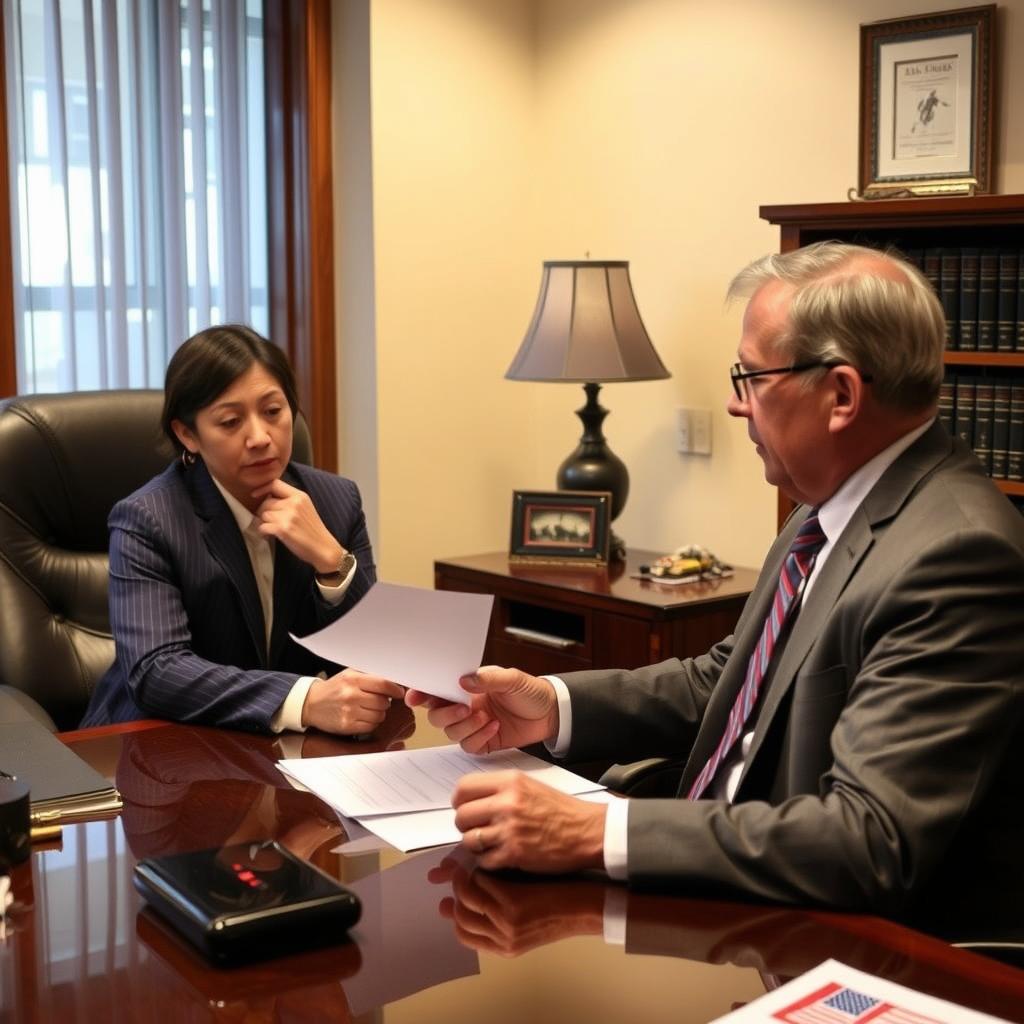
DWAI Lawyer Seneca County, NY
If you have been charged with driving while ability impaired in Seneca County, New York, you need a defense attorney who understands the local courts and the specific consequences of a DWAI. Law Offices Of SRIS, P.C. represents drivers charged with DWAI alcohol (Vehicle and Traffic Law § 1192(1)) and DWAI drugs (§ 1192(4)) throughout the Finger Lakes Region. Mr. Sris and his Of Counsel bring over 120 years of combined legal experience to each matter, and the firm has achieved over 4,739 documented firm-wide results. Results may vary. Call (888) 437-7747 to request a consultation.
What a DWAI Charge Means in Seneca County
Seneca County processes DWAI cases in the local justice courts of towns and villages such as Waterloo, Seneca Falls, Ovid, Lodi, and Romulus. These courts handle traffic infractions and violations; a DWAI alcohol first offense is a traffic infraction, not a crime. However, a second DWAI alcohol conviction within five years becomes a misdemeanor, and a DWAI drugs charge is always a misdemeanor. Cases that rise to felony level—typically repeat DWAI drugs convictions—are heard in the Seneca County Court or the New York Supreme Court Criminal Term in Waterloo.
Seneca County lies in the 7th Judicial District and the local courts follow the Criminal Procedure Law and the Uniform Traffic Rules. The district attorney’s office prosecutes DWAI cases, and the court may impose a fine, a jail term of up to 15 days (for an infraction), a license suspension, and mandatory participation in the New York Impaired Driver Program. The same administrative suspension applies through the Department of Motor Vehicles. Understanding the interplay between the court proceeding and the DMV hearing is essential to protecting your driving privileges.
How Mr. Sris and His Of Counsel Handle DWAI Cases
Mr. Sris and his Of Counsel approach each DWAI matter by first examining the traffic stop, the administration of field sobriety tests, and the chemical test procedure. In many DWAI cases, an officer’s observation of impairment is central, so the reliability of the roadside investigation is often a key issue. We review the officer’s training, the manner in which standardized field sobriety tests were conducted, and any breath or blood test results for compliance with New York State Department of Health regulations.
When a DWAI charge is supported by a chemical test reading below the 0.08% DWI threshold, there may still be defenses related to the time between driving and testing or the possibility of rising blood alcohol concentration. For DWAI drugs cases, the absence of a per se limit requires the prosecution to prove actual impairment, which is a higher burden. Mr. Sris and his Of Counsel have extensive experience challenging the admissibility and weight of chemical test evidence in New York courts.
About Mr. Sris and His Of Counsel Team
Mr. Sris, Owner and Founder of Law Offices Of SRIS, P.C., has concentrated on criminal defense since founding the firm in 1997. He is a former prosecutor whose insight into how the state builds a case informs the defense strategy he develops for each client. Admitted in Virginia, Maryland, the District of Columbia, New Jersey, and New York, he appears in Seneca County courts and works with a team of experienced Of Counsel attorneys engaged through Excella. Together, Mr. Sris and his Of Counsel bring over 120 years of combined legal experience, and the firm has achieved over 4,739 documented firm-wide results; Results may vary.
Frequently Asked Questions
What is the difference between a DWAI and a DWI in New York?
A DWAI (driving while ability impaired) is a lesser charge than a DWI. Under Vehicle and Traffic Law § 1192(1), DWAI alcohol means your ability to operate a motor vehicle was impaired by alcohol, but not to the extent of intoxication. A first-offense DWAI alcohol is a traffic infraction, while a first-offense DWI is a misdemeanor. The penalties for DWAI include a fine, up to 15 days in jail, and a 90‑day license suspension. For a DWI, the jail maximum is one year and a fine.
Will I lose my license after a DWAI in Seneca County?
Yes, a conviction for DWAI alcohol triggers a mandatory 90‑day suspension of your driver’s license. The suspension is imposed by the court, and the DMV will also suspend your license administratively if you refused a chemical test or if your BAC was above a certain threshold. You may be eligible for a conditional license or the Impaired Driver Program, which allows you to drive for work, school, and medical appointments. Mr. Sris and his Of Counsel can explain your options and help you pursue a conditional license at the DMV hearing.
Can a DWAI be reduced or dismissed in Seneca County?
A DWAI charge may be reduced to a non‑alcohol traffic infraction or dismissed if the prosecution’s evidence is weak. Common grounds for dismissal include an illegal traffic stop, improperly administered field sobriety tests, or a chemical test that was not conducted in accordance with New York State Department of Health regulations. If the evidence supports a reduction, the district attorney may agree to a plea to a lesser offense that does not carry the same license consequences.
What happens if I have a prior DWAI or DWI conviction?
A second DWAI alcohol conviction within five years is a misdemeanor, carrying up to 30 days in jail and a six‑month license revocation. A prior DWI also elevates the consequences of a subsequent DWAI because the law treats any prior alcohol-related driving offense as an enhancement. The court may impose a longer jail term, a higher fine, and a longer period of license revocation. An experienced defense attorney can work to ensure that prior convictions are properly calculated and that any constitutional challenges are raised.
What should I do if I am stopped for suspected DWAI in Seneca County?
You should cooperate with the officer, but you are not required to perform field sobriety tests or submit to a roadside preliminary breath test. Politely decline any tests that are not legally required and ask to speak with an attorney as soon as possible. If you are arrested, do not make any statements about how much you drank or what you consumed. Reach Law Offices Of SRIS, P.C. at (888) 437-7747 right away so that we can begin building your defense immediately.
How long does a DWAI case take in Seneca County?
The timeline varies depending on the court’s calendar and the complexity of the case, but many DWAI matters resolve within a few months. The local justice courts in Seneca County schedule proceedings at their own pace. An adjournment may be requested to allow your attorney time to obtain discovery, including the police report, dash camera video, and calibration records for the breath test instrument. If the case proceeds to trial, the trial date is set by the court based on its available dates.
Do I need a lawyer for a DWAI in Seneca County?
While you are not legally required to hire a lawyer, having an experienced attorney can significantly affect the outcome of your case. A conviction for DWAI alcohol, even as a traffic infraction, results in a permanent criminal record—the infraction is not a crime but it appears on your driving abstract and can be seen by insurers, employers, and licensing agencies. An attorney can identify defenses you may not recognize, negotiate with the prosecutor, and represent you at the DMV hearing. For guidance on your specific situation, reach Law Offices Of SRIS, P.C. at (888) 437-7747.
What is the penalty for DWAI drugs in New York?
DWAI drugs is a misdemeanor under VTL § 1192(4), punishable by up to one year in jail and a fine of up to $1,000. A first conviction also carries a license suspension of at least six months, and a second conviction within ten years is a felony. The prosecution must prove that you were impaired by a drug listed in Public Health Law § 3306; prescription medications can also trigger the charge if they affect your ability to drive. Raising a valid prescription defense or challenging the officer’s drug recognition evaluation are common strategies.
Where does a DWAI case go to court in Seneca County?
DWAI cases are heard in the local justice court of the town or village where the incident occurred. For example, a stop in the Town of Waterloo goes to the Waterloo Town Court; a stop in Seneca Falls goes to the Seneca Falls Town Court. Felony DWAI drugs cases and certain other felony charges are handled in the Seneca County Court at 48 West Williams Street, Waterloo. For a consultation about your court appearance, reach Mr. Sris and his Of Counsel at (888) 437-7747.
Can I obtain a conditional license after a DWAI in New York?
Yes, you may qualify for a conditional license after a DWAI alcohol conviction. The DMV issues a conditional license if you enroll in the Impaired Driver Program (IDP) and pay the required fees. The conditional license allows you to drive for work, school, medical appointments, and IDP classes. For a DWAI drugs conviction, you must have a valid license at the time of enrollment; if your license was already suspended or revoked for another reason, eligibility may be affected. Our firm can assist you with the DMV administrative hearing and the IDP enrollment process.
What should I bring to my first meeting with a DWAI attorney?
Bring any paperwork you received from the police, including the uniform traffic ticket, the appearance ticket, and any court notices. If you took a chemical test, bring any documents related to the test results. A list of any witnesses who were present at the stop can also help. To request a consultation, contact Law Offices Of SRIS, P.C. at (888) 437-7747; we can advise you on what additional information may be useful.
Primary legal sources: New York Vehicle and Traffic Law § 1192 · Seneca County Supreme Court · 7th Judicial District Courts
Attorney advertising. Prior results do not guarantee a similar outcome.
Case results depend on a variety of factors unique to each case.
Results may vary.