
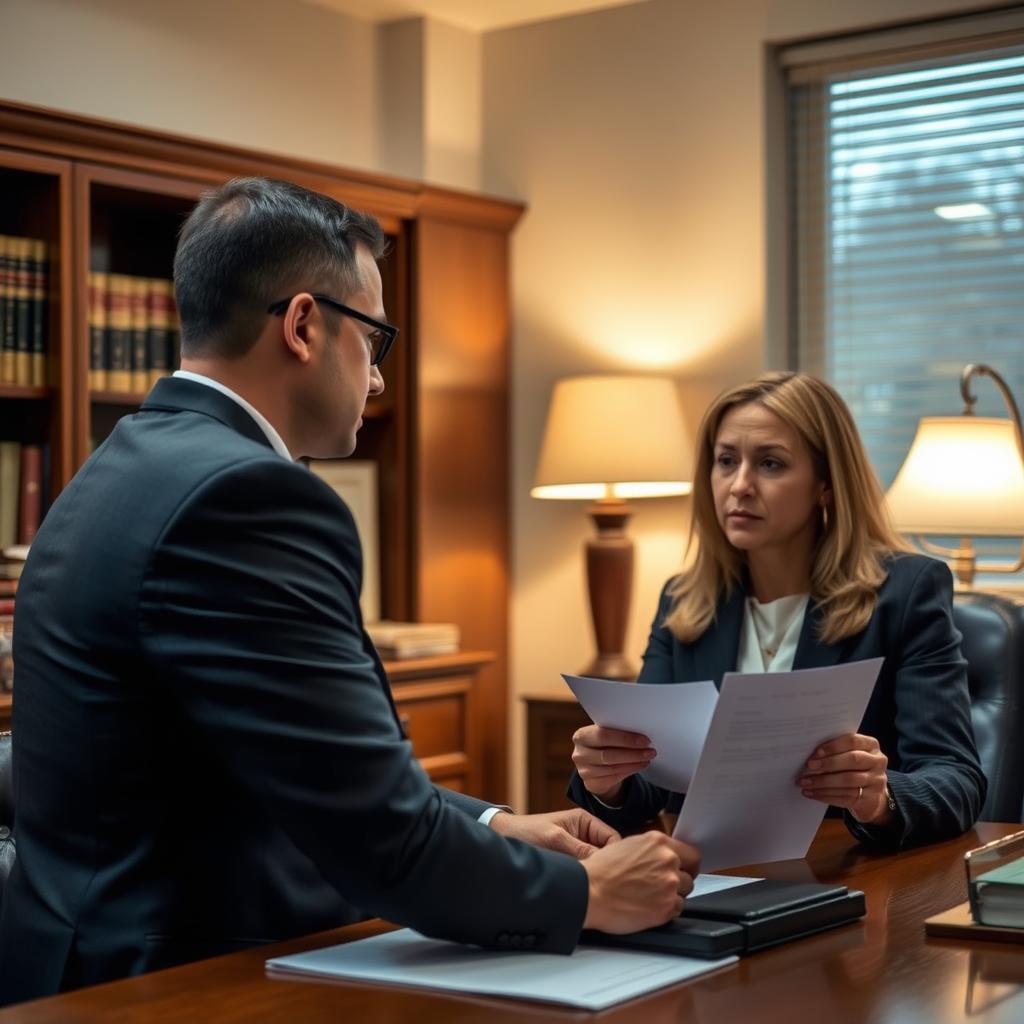
Forgery Defense Lawyer Madison County
If you face forgery charges in Madison County, you need a lawyer who knows New York law and local courts. A Forgery Defense Lawyer Madison County from Law Offices Of SRIS, P.C.—Advocacy Without Borders. provides that defense. Forgery is a serious felony in New York with severe penalties. SRIS, P.C. has a Location serving Madison County with attorneys experienced in these cases. Contact us for a Consultation by appointment to discuss your defense. (Confirmed by SRIS, P.C.)
New York’s Forgery Laws and Definitions
Forgery in the Second Degree under New York Penal Law § 170.10 is a Class D felony with a maximum penalty of up to 7 years in prison. This statute defines forgery as falsely making, completing, or altering a written instrument with intent to defraud, deceive, or injure another. The written instrument can be anything from a check or deed to a contract or prescription. Prosecutors in Madison County must prove you acted with intent to defraud. The specific charges and penalties depend on the type of document forged and its value.
New York law categorizes forgery offenses based on the instrument involved. Forgery in the Third Degree, a Class A misdemeanor, covers many common documents. Forgery in the Second Degree, a Class D felony, is a more serious charge. Possession of a forged instrument is also a crime under separate statutes. The classification dictates the court where your case is heard and the potential consequences. Understanding the exact statute you are charged under is the first step in building a defense.
What is the most common forgery charge in Madison County?
Forgery in the Third Degree, a Class A misdemeanor, is frequently charged for bad checks. This charge applies to forging a broad range of written instruments. It is often filed in local town or village courts initially. The maximum penalty is up to one year in jail.
What makes a forgery charge a felony in New York?
Forgery becomes a felony when it involves specific types of valuable instruments. Forging deeds, wills, contracts, or public securities can be a Class D felony. The value and nature of the document elevate the charge. Felony charges are prosecuted in Madison County Court.
Can I be charged for just having a forged document?
Yes, Criminal Possession of a Forged Instrument is a separate crime. You can be charged even if you did not create the fake document. Prosecutors must prove you knew it was forged and intended to use it. This charge often accompanies a primary forgery allegation.
The Insider Procedural Edge in Madison County Courts
Forgery cases in Madison County are heard in the Madison County Court located at 138 North Court Street, Wampsville, NY 13163. The procedural path for your case depends entirely on whether it is a misdemeanor or felony. Misdemeanor forgery charges start in one of the local town or village courts. These courts have specific filing deadlines and local rules. Felony charges are handled directly by the Madison County Court. The District Attorney’s Location files the accusatory instrument to begin the formal process. Learn more about Virginia legal services.
After an arrest, you will be arraigned where the charges are formally read. The judge will address bail and assign counsel if needed. For misdemeanors, the case may proceed through motion practice and potential plea negotiations. Felony cases involve a preliminary hearing or grand jury indictment. The grand jury decides if there is enough evidence for a trial. The entire timeline from arrest to resolution can span several months to over a year. Procedural specifics for Madison County are reviewed during a Consultation by appointment at our Madison County Location.
What court handles a felony forgery case in Madison County?
The Madison County Court at 138 North Court Street handles all felony cases. A grand jury indictment is required to proceed with a felony trial. The District Attorney presents evidence to the grand jury in secret. The case remains in County Court for all pre-trial and trial proceedings.
How long does a typical forgery case take to resolve?
A misdemeanor forgery case can take 3 to 9 months to reach a conclusion. Felony forgery cases often take a year or more from arrest to trial. The complexity of evidence and court scheduling cause delays. An experienced attorney can sometimes expedite the process through negotiation.
What are the key procedural steps after a forgery arrest?
The key steps are arraignment, discovery, pre-trial motions, and potential plea or trial. At arraignment, you enter a plea of not guilty. Your attorney will then file for discovery to obtain the prosecution’s evidence. Motions to suppress evidence or dismiss charges may be filed based on that evidence.
Penalties and Defense Strategies for Forgery
The most common penalty range for a first-time misdemeanor forgery conviction is probation and a fine. However, penalties escalate sharply for felonies and repeat offenses. The judge considers the dollar amount involved, your criminal history, and the victim’s loss. A conviction results in a permanent criminal record. This record affects employment, housing, and professional licenses. A strong defense is critical to avoid these lifelong consequences. Learn more about criminal defense representation.
| Offense | Penalty | Notes |
|---|---|---|
| Forgery 3rd (Misdemeanor) | Up to 1 year jail, probation, fine up to $1,000 | Common for bad checks, often results in conditional discharge. |
| Forgery 2nd (Class D Felony) | Up to 7 years prison, probation, significant fines | For deeds, wills, contracts; prison time is likely. |
| Criminal Possession of a Forged Instrument 3rd | Up to 1 year jail | Requires knowledge and intent to use the forged item. |
| Criminal Possession of a Forged Instrument 2nd | Up to 7 years prison | Felony charge for possessing a forged deed, will, or contract. |
[Insider Insight] Madison County prosecutors often seek restitution for victims as part of any plea deal. They focus on recovering financial losses from bad checks or forged financial documents. An attorney who can negotiate a restitution plan may secure a more favorable outcome. Demonstrating an effort to make the victim whole can influence the District Attorney’s posture.
Defense strategies challenge the prosecution’s evidence on intent and knowledge. A common defense is lack of intent to defraud. Perhaps you believed you had authority to sign a check. Maybe you were unaware a document presented to you was forged. Mistake of fact or identity theft are also potential defenses. Your attorney will scrutinize the chain of custody for the alleged forged instrument. Procedural errors during the investigation or arrest can lead to suppressed evidence. In some cases, negotiating a reduction to a non-criminal violation is possible.
What is the main defense against a forgery charge?
The main defense is challenging the proof of intent to defraud. The prosecution must prove you knowingly acted to deceive. Showing you lacked this criminal intent can defeat the charge. Evidence of permission or honest mistake supports this defense.
Can a forgery charge be reduced or dismissed?
Yes, charges can be reduced, especially for first-time offenders. A reduction to a violation like Disorderly Conduct may be possible. Dismissal can occur if evidence is suppressed or witnesses are unreliable. An attorney negotiates with the DA based on case weaknesses.
What are the long-term consequences of a forgery conviction?
A permanent criminal record is the primary long-term consequence. This can block job opportunities, professional licenses, and loans. It may also affect immigration status and housing applications. A felony conviction results in the loss of certain civil rights. Learn more about DUI defense services.
Why Hire SRIS, P.C. for Your Madison County Forgery Case
Attorney Bryan Block, a former Virginia State Trooper, brings unique insight into forensic document analysis and prosecution tactics. His law enforcement background provides a strategic advantage in dissecting the state’s case. He understands how evidence is collected and where investigations can be challenged. This perspective is invaluable for building a strong defense against forgery allegations.
Bryan Block
Former Virginia State Trooper
Extensive experience in financial crime and document fraud defense.
Focuses on challenging the intent element and forensic evidence in forgery cases.
SRIS, P.C. has a Location serving Madison County with a team versed in New York penal law. We approach each case by immediately securing all evidence and police reports. We identify weaknesses in the prosecution’s chain of custody or documentation. Our goal is to achieve the best possible outcome, whether through dismissal, reduction, or trial. We prepare every case as if it will go to trial. This preparation gives us use in negotiations. You need a Forgery Defense Lawyer Madison County who knows the local legal area. We provide aggressive, informed representation from the first consultation.
Localized FAQs for Forgery Charges in Madison County
What should I do if I am arrested for forgery in Madison County?
Remain silent and request an attorney immediately. Do not discuss the case with anyone. Contact a Forgery Defense Lawyer Madison County from SRIS, P.C. as soon as possible. We will protect your rights from the start.
How much does a forgery defense lawyer cost in Madison County?
Legal fees depend on the charge severity and case complexity. Misdemeanor cases typically cost less than felony cases. SRIS, P.C. discusses fees during a Consultation by appointment. We provide clear cost structures for our services. Learn more about our experienced legal team.
Will I go to jail for a first-time forgery offense?
Jail is possible but not automatic for a first-time offense. The value forged and your history are key factors. An attorney can often negotiate for probation or alternative sentencing. The goal is to avoid incarceration.
Can a forgery charge affect my professional license in New York?
Yes, a forgery conviction can lead to license suspension or revocation. This applies to real estate, nursing, law, and financial licenses. A conviction shows dishonesty, which licensing boards penalize. A defense is critical to protect your career.
What is the difference between forgery and identity theft in New York?
Forgery involves falsifying a document itself. Identity theft involves using someone’s personal data for fraud. The charges often overlap in a single case. Both are serious crimes with severe penalties.
Proximity, Contact, and Critical Disclaimer
Our Madison County Location is strategically positioned to serve clients throughout the region. We are accessible from communities like Oneida, Canastota, and Chittenango. For a Consultation by appointment to discuss your forgery charges, call our team 24/7. We will review the details of your case and outline your defense options.
Law Offices Of SRIS, P.C.—Advocacy Without Borders.
Consultation by appointment. Call 24/7.
Phone: [PHONE NUMBER FROM GMB]
Address: [MADISON COUNTY LOCATION ADDRESS FROM GMB]
Past results do not predict future outcomes.