
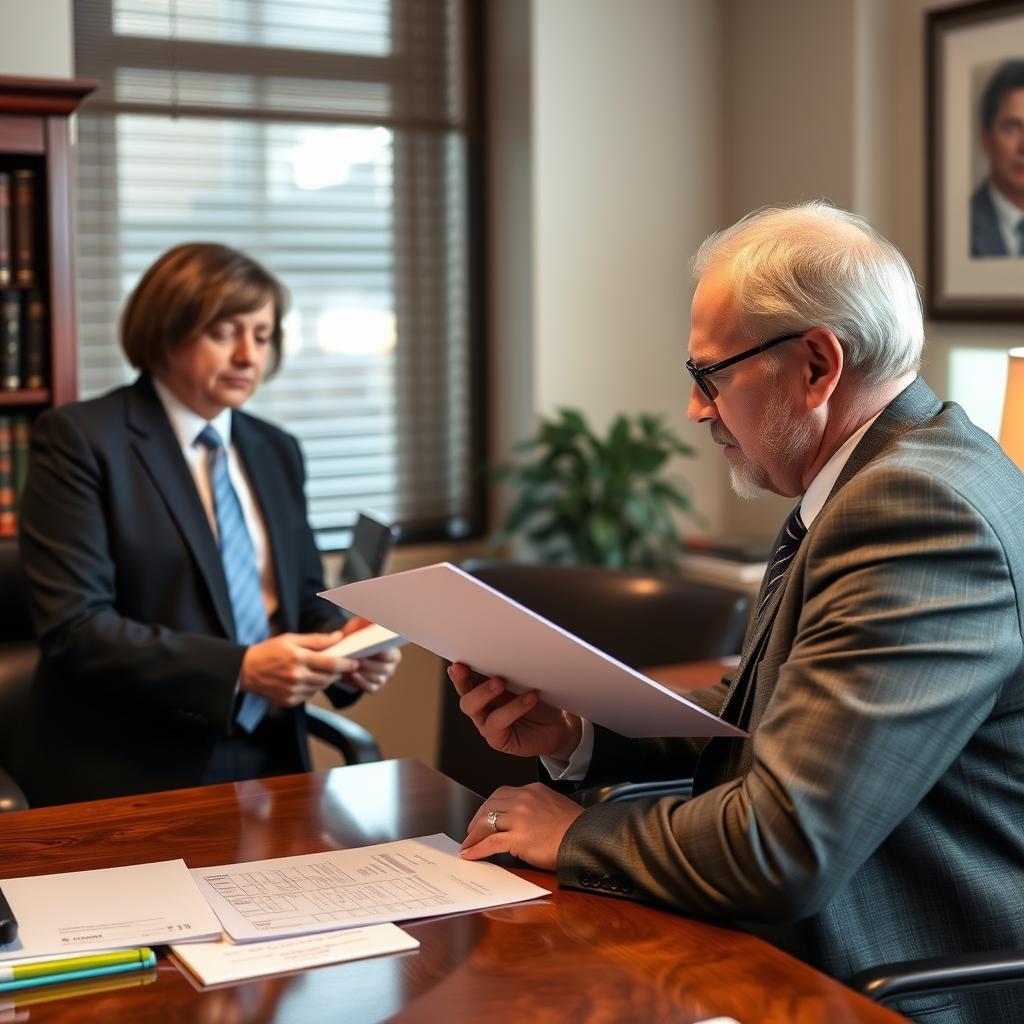
Theft Defense Lawyer New York County, NY
You are standing outside the Manhattan Criminal Court at 60 Centre Street, a summons in your hand, the word “theft” printed on the charging document. Maybe the allegation came from a misunderstanding at a Chelsea boutique, a disputed property transaction in the Financial District, or a shoplifting accusation at a Times Square retailer. The charge is real, and a conviction could follow you into housing applications, employment background checks, and immigration proceedings. You need an experienced theft defense lawyer who knows how the New York County courts handle these cases. Law Offices Of SRIS, P.C. — Advocacy Without Borders.
Mr. Sris and his Of Counsel team at Law Offices Of SRIS, P.C. represent individuals facing theft allegations in Manhattan—from petit larceny in the New York County Criminal Court to grand larceny in the New York Supreme Court. The firm has practiced criminal defense since 1997. Request a consultation at (888) 437-7747.
What Theft Defense Means in New York County
Theft charges in Manhattan are prosecuted under the New York Penal Law. The classification turns largely on the value of the property alleged: petit larceny involves property worth less than $1,000 (a Class A misdemeanor) while grand larceny in the fourth degree covers property valued at $1,000 to $3,000 (a Class E felony), with higher felony grades for larger amounts or specific circumstances such as theft from a person. Cases arising in New York County—Manhattan’s borough—are heard in the Local Criminal Court for misdemeanors and the New York Supreme Court Criminal Term at 60 Centre Street for felonies.
The Manhattan District Attorney’s Office prosecutes theft in all its forms. New York’s 2020 bail reform eliminated cash bail for most misdemeanor and non-violent felony charges, meaning many defendants are released on their own recognizance or with minimal conditions. However, a conviction still carries consequences: a permanent criminal record, potential jail time, fines, restitution orders, and collateral effects on professional licenses and immigration status. An Adjournment in Contemplation of Dismissal (ACD) is a frequent disposition for eligible first-offense theft cases in Manhattan, resulting in dismissal after a period of good conduct.
How Mr. Sris and His Of Counsel Handle Theft Defense Cases
When a theft charge is filed in New York County, the initial steps include the arraignment, discovery, and pre-trial motion practice. Mr. Sris and his Of Counsel examine the evidence carefully: the chain of custody of surveillance recordings, the reliability of eyewitness identification, the validity of any search that produced the alleged stolen property, and the accuracy of the asset valuation that determines the charge level. Police reports and complainant statements are scrutinized for inconsistencies and procedural errors.
The case strategy depends on the specific facts. Options may include negotiating a reduction to a lesser offense, pursuing a dismissal through the ACD mechanism when the client qualifies, or preparing for trial. The firm’s approach is to ensure that the client understands each stage of the proceeding, from the criminal complaint through any potential sentencing or sealing of the record. The timeline varies by the complexity of the case and the court’s calendar, but the team works to achieve a favorable outcome while protecting the client’s rights at every juncture.
About Mr. Sris and His Of Counsel Team
Mr. Sris, Owner and Founder of Law Offices Of SRIS, P.C., founded the firm in 1997. A former prosecutor, he has practiced criminal defense across Virginia, Maryland, the District of Columbia, New Jersey, and New York for more than two decades. He leads the firm’s criminal defense practice and personally oversees the strategy in complex theft cases. Mr. Sris testified before the Virginia House Courts of Justice Committee in support of 2019 HB 635 (chief patron Del. David Bulova).
Mr. Sris and his Of Counsel bring over 120 years of combined legal experience, supported by 4,739+ documented firm-wide results. Results may vary. The firm’s theft defense work draws on that depth, from evaluating forensic evidence to negotiating with Manhattan prosecutors.
Frequently Asked Questions
What is the penalty for petit larceny in New York County?
Petit larceny is a Class A misdemeanor punishable by up to one year in jail and a fine. The case is heard in the Local Criminal Court of New York County at 60 Centre Street. If the theft involves property valued at less than $1,000, the defendant may be eligible for an Adjournment in Contemplation of Dismissal (ACD), which can lead to a dismissal after a period of good conduct. A conviction creates a permanent criminal record that can affect employment and housing. Mr. Sris and his Of Counsel can assess your eligibility for diversion and work toward a favorable resolution. For guidance on your specific situation, reach Law Offices Of SRIS, P.C. at (888) 437-7747.
Can I get a theft charge dismissed in Manhattan?
Many first-time theft charges in New York County are resolved through an ACD, which results in dismissal after six to twelve months of good behavior. The Manhattan District Attorney’s Office frequently offers ACDs for low-level petit larceny cases when the defendant has no prior criminal history. Sealing of the resulting record is available under CPL § 160.59 for qualifying convictions. An experienced defense lawyer can negotiate with the prosecutor and present mitigating evidence. To discuss the details of your matter, contact Law Offices Of SRIS, P.C. at (888) 437-7747.
How does a theft case move through the New York County courts?
The process begins with an arrest and arraignment, typically within 24 hours, followed by discovery, plea negotiations, and possibly trial. In Manhattan, misdemeanor theft cases proceed in the New York County Criminal Court, while felony grand larceny cases go into the New York Supreme Court Criminal Term after a grand jury indictment. Speedy-trial rules under CPL § 30.30 require the prosecution to be ready for trial within 90 days for misdemeanors and six months for felonies. Mr. Sris and his Of Counsel can explain each step and develop a defense strategy tailored to the court’s calendar. For a consultation, reach Mr. Sris and his Of Counsel at (888) 437-7747.
Do I need a lawyer for a shoplifting charge in New York County?
Yes—even a seemingly minor shoplifting charge can have lasting consequences, and a lawyer can help you pursue a dismissal or reduction. Shoplifting falls under the general larceny statutes. Without counsel, you risk inadvertently pleading guilty to a misdemeanor or felony that appears on background checks. An attorney can identify defenses such as lack of intent, improper identification, or procedural errors. To discuss the details of your matter, contact Law Offices Of SRIS, P.C. at (888) 437-7747.
What should I bring to a consultation about a theft charge?
Bring a copy of the charging document, any bail or appearance ticket, and any paperwork you received from the police or court. Also, note the names and contact information of any witnesses. The more information you can provide about the circumstances of the allegation, the better Mr. Sris and his Of Counsel can assess your case. For a consultation, reach Mr. Sris and his Of Counsel at (888) 437-7747.
Can a theft conviction be sealed in New York?
Yes, under certain conditions, a theft conviction may be sealed under CPL § 160.59 after a waiting period of 10 years. New York’s sealing statute allows for up to two convictions to be sealed, provided the offenses are eligible and the applicant has no intervening criminal activity. Cases that end in an ACD dismissal are sealed automatically. Sealing can help limit the collateral consequences of a criminal record. For guidance on your specific situation, reach Law Offices Of SRIS, P.C. at (888) 437-7747.
For other New York City boroughs and Long Island, see: Kings County (Brooklyn) · Queens County · Richmond County (Staten Island) · Nassau County · Suffolk County
For a complete statutory analysis of New York theft laws, consult New York Penal Law and the New York Criminal Procedure Law. Court information is available at New York County Supreme Court.
Attorney advertising. Prior results do not guarantee a similar outcome.
Case results depend on a variety of factors unique to each case.
Results may vary.